Top 10 Protein Sources You Need in Your Diet
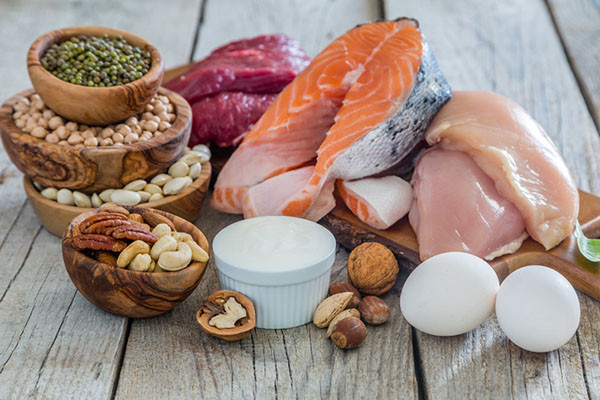
Incorporating sufficient protein into your diet is essential for maintaining muscle mass, supporting metabolic functions, and promoting overall health. Here are the Top 10 Protein Sources you need to consider:
- Chicken Breast - A lean source of protein that is versatile and easy to prepare.
- Eggs - A complete protein source packed with vitamins and minerals.
- Quinoa - A plant-based protein that is also gluten-free and high in fiber.
- Greek Yogurt - A creamy delight that offers probiotics along with protein.
- Tofu - An excellent choice for vegetarians and vegans, rich in protein and calcium.
- Fish - Options like salmon and tuna provide omega-3 fatty acids alongside protein.
- Legumes - Beans and lentils are not only high in protein but also packed with fiber.
- Nuts and Seeds - Almonds, chia seeds, and flaxseeds are great for snacking and protein intake.
- Cottage Cheese - A low-fat dairy option that’s high in protein and calcium.
- Beef - A rich source of protein and essential nutrients like iron and zinc.
How Much Protein Do You Really Need? A Comprehensive Guide
Understanding how much protein you really need is essential for maintaining overall health and achieving your fitness goals. The Recommended Dietary Allowance (RDA) for protein is 46 grams per day for adult women and 56 grams per day for adult men, but individual needs can vary significantly based on factors such as age, activity level, and fitness objectives. For those who are physically active, particularly athletes, a higher intake ranging from 1.2 to 2.0 grams per kilogram of body weight may be necessary to support muscle repair and growth.
To determine your specific protein needs, consider the following factors:
- Age: Older adults often require more protein to help maintain muscle mass.
- Activity Level: Sedentary individuals need less protein compared to those who are active or engaged in resistance training.
- Body Composition: Individuals looking to lose fat or build muscle may benefit from a higher protein intake.
It’s important to distribute your protein intake evenly throughout the day to maximize muscle protein synthesis. Always consult a healthcare provider or a registered dietitian before making significant dietary changes to ensure you’re meeting your specific health needs.
Is Plant-Based Protein as Effective as Animal Protein?
The debate over plant-based protein versus animal protein has gained significant attention as more individuals adopt vegetarian and vegan diets. Both sources can deliver essential amino acids, but they differ in their bioavailability and nutrient profiles. For example, while animal protein sources like meat, dairy, and eggs typically provide all nine essential amino acids more efficiently, many plant-based options may lack one or more of these crucial components. However, by incorporating a variety of plant proteins such as beans, lentils, quinoa, and nuts, individuals can achieve a balanced intake of amino acids essential for muscle repair and growth.
Research suggests that plant-based protein can be as effective as animal protein for building muscle and supporting overall health, particularly when consumed in adequate amounts. A study indicated that individuals who consumed a diet rich in high-quality plant proteins experienced similar muscle gains to those following a protein-rich animal diet, highlighting that the effectiveness of protein is not solely dependent on its source but also on overall dietary patterns and physical activity levels. Therefore, whether you choose animal or plant-based protein, the key lies in ensuring you meet your protein requirements through diverse food choices that support your health goals.