5 Essential Stretching Techniques to Improve Your Flexibility
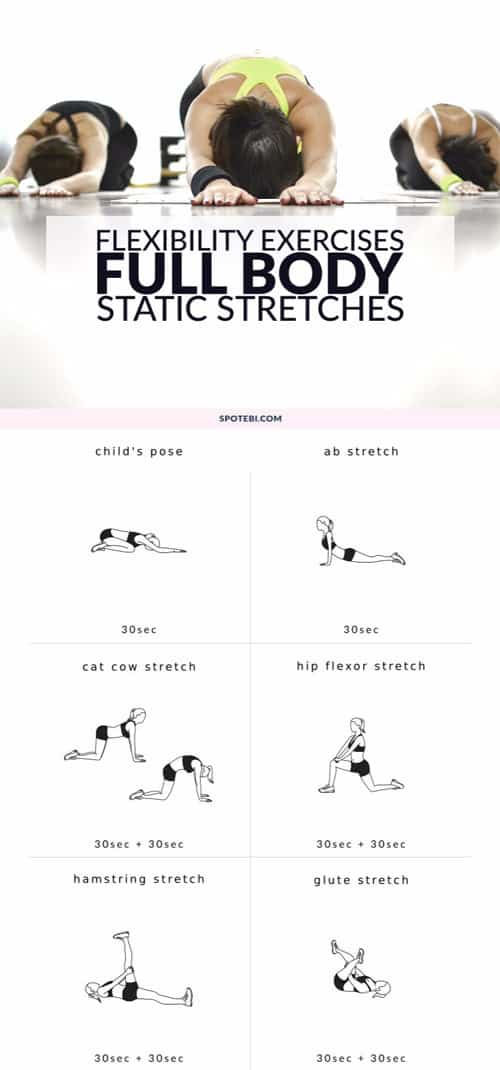
Improving your flexibility is crucial for overall fitness, and incorporating stretching techniques into your routine is essential. Here are 5 essential stretching techniques that can significantly enhance your flexibility:
- Hamstring Stretch: Sit on the floor with one leg extended and the other bent. Reach towards your toes of the extended leg, holding the stretch for 20-30 seconds.
- Cobra Stretch: Lie face down, push up with your arms while keeping your hips on the floor to elongate your spine. Hold for 15-20 seconds to stretch your abdominal area.
- Quadriceps Stretch: Stand on one leg, grab your ankle behind you, and pull it toward your glutes, keeping your knees close together. Hold for 20-30 seconds.
- Shoulder Stretch: Bring one arm across your chest and hold it with your opposite hand for 15-20 seconds. This helps release tension in the shoulders.
- Butterfly Stretch: Sit with your feet together, allowing your knees to fall out to the sides. Gently push down on your knees with your elbows for a deeper stretch, holding for 20-30 seconds.
How Often Should You Stretch for Maximum Flexibility Gains?
When it comes to achieving maximum flexibility gains, the frequency of your stretching routine plays a crucial role. Stretching at least three to four times a week is generally recommended for optimal results. Each session should ideally last between 15 to 30 minutes, focusing on different muscle groups. By incorporating a variety of stretches, such as static and dynamic stretches, you can enhance your range of motion and reduce the risk of injury. Remember, consistency is key; regular practice leads to better outcomes.
To effectively measure your flexibility progress, consider integrating goal-setting into your stretching routine. For instance, you might aim to increase your reach in specific stretches or hold a stretch for a longer duration over time. Additionally, listen to your body to avoid overstretching, which can result in injuries. A structured approach that includes a balance of flexibility training alongside strength and cardiovascular exercises will provide significant benefits. Ultimately, finding a stretching routine that you enjoy can contribute to sustaining a long-term commitment.
The Science Behind Flexibility: Why Stretching Matters for Your Body
The science behind flexibility is rooted in the understanding of how our muscles, tendons, and joints work together to enable movement. Flexibility refers to the ability of a muscle or joint to sustain a range of motion, and it plays a crucial role in overall physical health. Regular stretching enhances flexibility by lengthening muscle fibers and improving the elasticity of connective tissues. This not only aids in better performance during physical activities but also reduces the risk of injury. Studies have shown that those who incorporate stretching routines into their exercise regimen experience fewer muscle strains and joint issues, making it an essential component of any fitness program.
Moreover, stretching is not just beneficial for athletes; it is vital for everyone, regardless of activity level. Regular stretching can improve circulation, increase blood flow, and enhance oxygen delivery to muscles, promoting quicker recovery after workouts. Additionally, stretching can improve posture and alleviate tension, particularly in individuals who spend prolonged periods sitting at desks. Incorporating a variety of stretching techniques, such as static, dynamic, and ballistic stretches, into your routine can help you reap the full benefits of flexibility. With consistent practice, you can achieve greater mobility and maintain a healthier, more active lifestyle.