Top 10 Foods That Could Cause Food Poisoning
Food poisoning is a serious concern for many and can arise from consuming contaminated food. Some foods are more notorious for causing foodborne illnesses than others. Here are the top 10 foods that could cause food poisoning:
- Raw or undercooked meat: Poultry, beef, and pork can harbor harmful bacteria like Salmonella and E. coli.
- Raw eggs: They may contain Salmonella, so dishes like homemade mayonnaise and certain desserts pose risks.
- Seafood: Oysters and shellfish can be carriers of Vibrio bacteria, especially when consumed raw.
- Dairy products: Unpasteurized milk and cheese can harbor Listeria and other pathogens.
- Fruits and vegetables: Contaminated produce is a prime suspect, especially leafy greens and sprouts.
- Rice: Cooked rice, if left at room temperature, can develop Bacillus cereus, a toxin-producing bacteria.
- Processed meats: Deli meats and hot dogs, if not heated properly, can contain Listeria.
- Sprouts: Raw sprouts are often grown in warm conditions, which can promote bacterial growth.
- Prepackaged salads: These can be contaminated during processing, leading to outbreaks.
- Unpasteurized juices: Like dairy, they can carry harmful pathogens if not treated properly.
Signs and Symptoms of Food Poisoning You Should Never Ignore
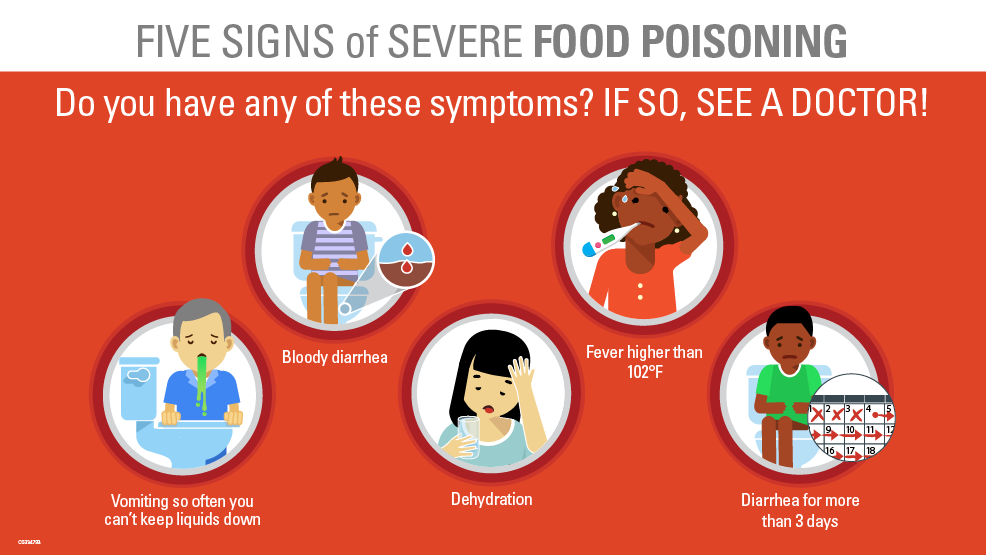
Food poisoning can strike unexpectedly, and recognizing the signs and symptoms early is crucial for preventing serious health complications. Common symptoms include nausea, vomiting, diarrhea, and abdominal cramps. In many cases, these symptoms can appear within hours of consuming contaminated food or drink. However, certain warning signs should never be ignored, such as high fever, severe abdominal pain, or dehydration. If symptoms persist for more than 48 hours or worsen significantly, seeking medical attention is essential.
In some cases, food poisoning can result from specific bacteria, viruses, or parasites, each with their own set of symptoms. For instance, a noticeable bloody stool is a serious symptom that may indicate a more severe infection and requires immediate medical intervention. Additionally, symptoms like dizziness or a rapid heartbeat can suggest that dehydration is setting in, a dangerous condition that can lead to further complications. Always trust your instincts; if something feels wrong, it's better to consult a healthcare professional sooner rather than later.
How to Prevent Food Poisoning: Essential Kitchen Safety Tips
Preventing food poisoning is crucial for maintaining health and well-being in your kitchen. Here are some essential kitchen safety tips to help you evade foodborne illnesses:
- Wash your hands thoroughly with soap and water for at least 20 seconds before and after handling food.
- Keep raw meat separate from other foods to avoid cross-contamination.
- Use a food thermometer to ensure that food is cooked to the proper temperature, as this is key in killing harmful bacteria.
- Store perishable items in the refrigerator promptly, keeping the temperature below 40°F (4°C) to inhibit bacterial growth.
Additionally, proper cleaning and sanitizing tools and surfaces in your kitchen can significantly reduce the risk of food poisoning. Remember to:
- Regularly clean countertops and utensils with hot soapy water, especially after preparing raw foods.
- Use separate cutting boards for meats and vegetables.
- Check expiration dates on food items and dispose of any that are past their prime.
By following these kitchen safety tips, you can greatly reduce the risk of food poisoning and enjoy peace of mind while preparing your meals.