The Basics of Machine Learning: How It Can Transform Your Business
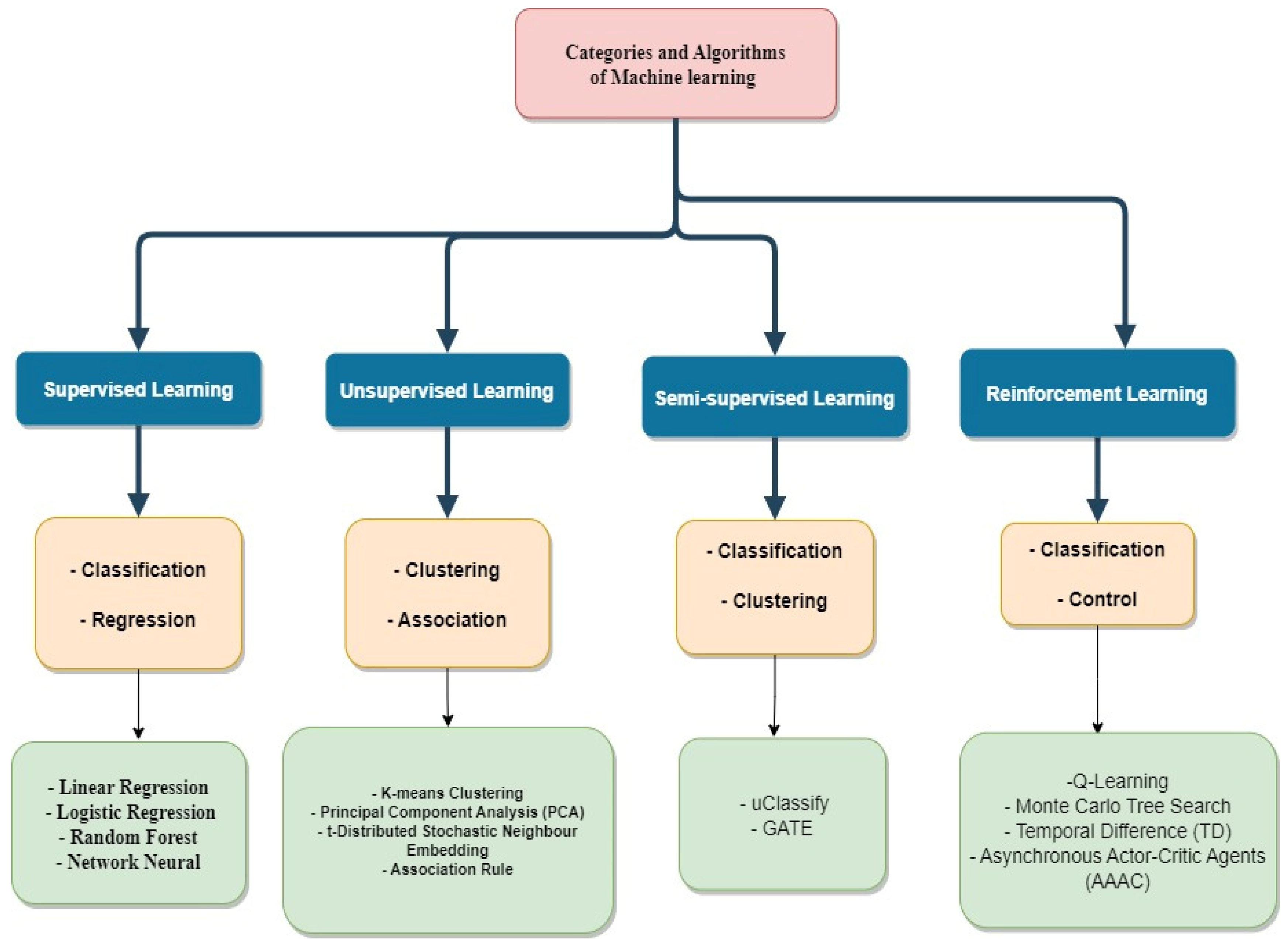
Machine learning is a subset of artificial intelligence that allows systems to learn and improve from experience without being explicitly programmed. By utilizing algorithms and statistical models, businesses can analyze vast amounts of data to uncover patterns and insights that were previously hidden. This capability can be a game changer, enabling companies to enhance decision-making, optimize operations, and deliver personalized experiences. In a world where data is abundant, understanding the basics of machine learning is essential for staying competitive.
Implementing machine learning in your business can lead to transformative changes, such as:
- Improved Efficiency: Automating routine tasks frees up valuable time for your team to focus on strategic initiatives.
- Enhanced Customer Insights: Machine learning models can analyze customer behavior to tailor products and services to individual preferences.
- Predictive Analytics: By predicting outcomes based on historical data, businesses can make informed decisions that drive growth.
As you begin to explore the possibilities, remember that the key to harnessing the power of machine learning lies in understanding its fundamentals and aligning it with your business goals.
10 Tasks Your Overqualified Intern (Machine Learning) Can Handle for You
In today's fast-paced tech landscape, having a machine learning intern who is overqualified can be a game changer for your projects. These interns often come equipped with advanced skills in data analysis, programming, and algorithm development. Here are 10 tasks that your overqualified intern can handle effectively for you:
- Data Preprocessing: Sorting, cleaning, and preparing your dataset for analysis.
- Model Training: Building and fine-tuning machine learning models using established frameworks.
- Feature Engineering: Identifying important features and transforming data to improve model performance.
- Visualization: Creating insightful data visualizations to communicate findings effectively.
- Research: Conducting literature reviews to stay updated on the latest machine learning advancements.
- Documentation: Writing clear documentation for models and processes to aid future reference.
- Experimentation: Running experiments to test different algorithms and approaches.
- Optimization: Enhancing model performance through hyperparameter tuning.
- Collaboration: Working with other team members to integrate machine learning solutions into existing systems.
- Support Tasks: Providing help with data-related queries and assisting team members with machine learning concepts.
Is Machine Learning the Future of Internships?
Machine learning is rapidly transforming various industries, and its impact on internships is no exception. As organizations increasingly adopt automation and AI technologies, internship programs are becoming more sophisticated, leveraging machine learning to enhance the learning experience. For instance, companies can now utilize data analytics to tailor internship projects to align with each intern's skills and interests, facilitating targeted learning opportunities. This shift not only enriches the intern's experience but also maximizes their contributions to the organization, making internships more mutually beneficial.
The future of internships is likely to see a growing emphasis on machine learning tools that enhance skill development and performance assessments. Interns may find themselves engaging with advanced tools that analyze their progress and provide personalized feedback. Moreover, employers will increasingly rely on machine learning algorithms to efficiently select candidates who fit their requirements, thus streamlining the recruitment process. This integration presents an exciting evolution in internships, where technology paves the way for a more productive and skill-oriented workforce.