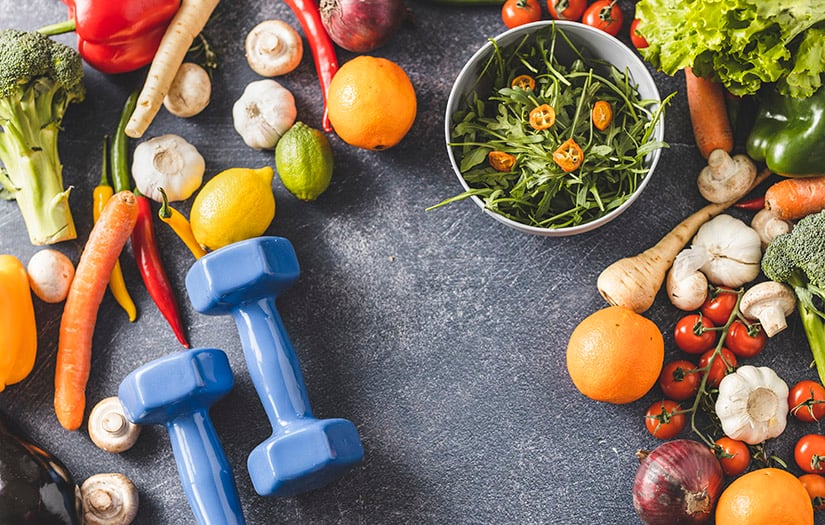
Nutrition Essentials: What Every Aspiring Athlete Should Know
For every aspiring athlete, understanding the fundamentals of nutrition is crucial to optimizing performance and achieving fitness goals. Nutrition essentials encompass a balance of macronutrients—carbohydrates, proteins, and fats—that fuel the body effectively. Carbohydrates serve as the primary energy source, particularly during high-intensity activities, while proteins are vital for muscle repair and growth. Fats, though often misunderstood, are essential for hormone production and long-term energy. Hydration is another key element; athletes should aim to drink sufficient fluids before, during, and after exercise to maintain peak performance levels.
In addition to macronutrients, aspiring athletes should pay attention to micronutrients, which include vitamins and minerals that support metabolic processes and overall health. Important micronutrients such as calcium, iron, and vitamin D play a significant role in bone health and energy metabolism. Meal timing is also important; consuming the right foods at optimal times can enhance recovery and boost energy levels. For example, pre-workout nutrition might focus on carbohydrates for energy, while post-workout meals should prioritize protein for recovery. By mastering these nutrition essentials, aspiring athletes can set a solid foundation for their athletic journey and maximize their potential.
The Athlete's Plate: Building Balanced Meals for Optimal Performance
For athletes, the foundation of optimal performance lies in balanced meals. It's essential to incorporate the right mix of macronutrients—carbohydrates, proteins, and fats—into every meal. A well-rounded plate could include a variety of foods, such as:
- Complex carbohydrates: Whole grains, fruits, and vegetables provide the necessary energy for workouts.
- Lean proteins: Chicken, fish, beans, and legumes help with muscle repair and growth.
- Healthy fats: Avocados, nuts, and olive oil support overall health and endurance.
To create the Athlete's Plate, consider adopting the 50/30/20 rule: allocate 50% of your plate to carbohydrates, 30% to protein, and 20% to healthy fats. This method ensures that your body receives the right energy and nutrients it needs to perform at its best. Additionally, remember to hydrate adequately and plan your meals around your training schedule to optimize recovery and performance. By prioritizing these nutritional strategies, athletes can enhance their stamina, strength, and overall athletic performance.
Top 10 Superfoods to Fuel Your Fitness Journey
Embarking on a fitness journey requires not just dedication and hard work, but also proper nutrition to fuel your body. Incorporating superfoods into your diet can significantly boost your energy levels, enhance your recovery, and promote overall well-being. Here, we highlight the top 10 superfoods that you should consider adding to your meals to maximize your fitness efforts:
- Quinoa - This ancient grain is packed with protein and essential amino acids, making it a perfect post-workout meal.
- Avocado - Rich in healthy fats and potassium, avocados support heart health and reduce inflammation.
- Spinach - Loaded with vitamins and minerals, spinach improves oxygen flow in the body, enhancing your stamina.
- Blueberries - These berries are full of antioxidants, helping to combat muscle soreness after intense workouts.
- Salmon - A fantastic source of omega-3 fatty acids, salmon promotes muscle recovery and joint health.
- Chia Seeds - These tiny seeds are high in fiber and can help sustain your energy during workouts.
- Greek Yogurt - Rich in protein and probiotics, it aids in digestion and muscle repair.
- Broccoli - Packed with vitamins and minerals, broccoli supports your immune system, crucial during intense training.
- Eggs - A powerhouse of protein, eggs are vital for muscle building and recovery.
- Almonds - High in healthy fats and protein, almonds make for a great on-the-go snack.